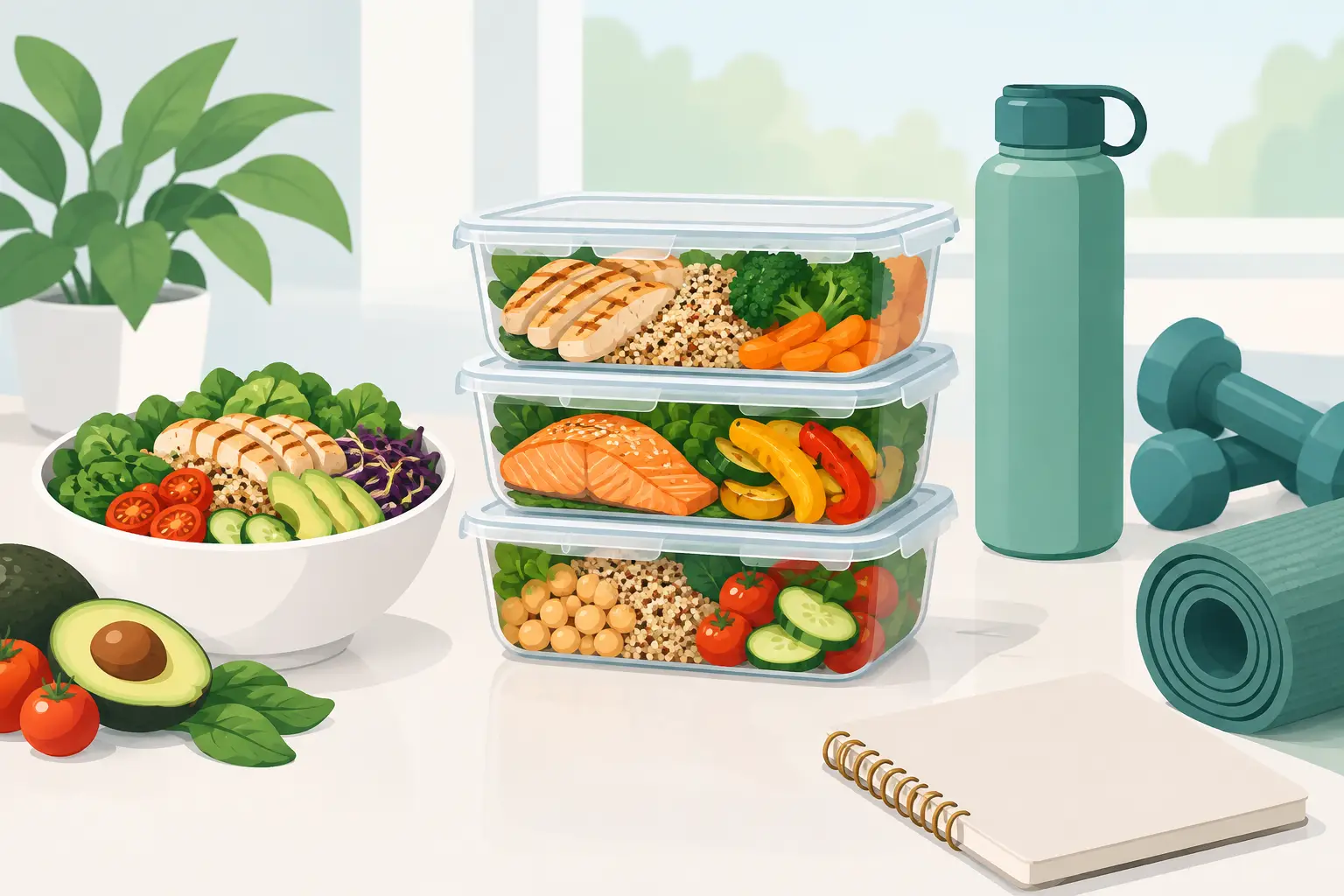
The 4 p.m. energy crash rarely starts at 4 p.m. It usually starts with a rushed breakfast, an improvised lunch, and another day of asking, “What can I eat that fits my goals?” Prepared meals for weight loss remove that decision cycle. They give your nutrition a schedule, your portions a standard, and your week a system that can hold up when work, training, and life get demanding.
Weight loss does not require perfect eating. It requires a repeatable calorie deficit, sufficient protein, and enough consistency for your effort to compound. Chef-prepared meals can make those fundamentals easier to execute, especially when cooking from scratch is the first task to disappear from a full calendar.
Why prepared meals work for weight loss
The biggest advantage is not convenience alone. It is reduced variance. When every lunch is different, every portion is estimated, and every late meeting changes dinner plans, it becomes difficult to see whether your nutrition is actually aligned with your goal. A structured meal plan creates a more reliable baseline.
Portion-controlled meals help establish the calorie awareness that weight loss requires. You are not relying on restaurant descriptions, oversized servings, or a quick guess with a handful of snacks. You know what the meal is designed to provide, and that clarity makes it easier to plan the rest of the day.
Prepared meals also protect consistency when motivation is low. Most people can make a high-quality meal on a calm Sunday. Results are determined by what happens on the Wednesday when you are leaving the office late, have training in an hour, and have no interest in washing pans. The right meal should be ready before convenience takes over your decision-making.
This structure is particularly useful for professionals whose workloads change by the hour. Clean ingredients. Structured portions. Dependable energy. These are not abstract wellness ideas. They are practical standards for maintaining performance while changing body composition.
What to look for in prepared meals for weight loss
A meal labeled “healthy” is not automatically useful for fat loss. A salad can be calorie-dense. A low-calorie meal can leave you hungry an hour later. The goal is not to find the smallest meal possible. The goal is to choose meals that fit your calorie target while supporting training, focus, recovery, and appetite control.
Start with transparent nutrition information. Calories, protein, carbohydrates, and fats should be clear for each menu item. This allows you to build a day around facts rather than assumptions. If you track food, accurate meal details make logging fast. If you do not track, they still help you understand the structure behind your plan.
Protein deserves special attention. It helps preserve lean mass during a calorie deficit and generally makes meals more satisfying. The right target depends on your body size, training volume, health status, and overall intake, but meals built around a meaningful protein source are usually more effective than meals driven primarily by refined carbohydrates or sauces.
Fiber and food volume matter too. Vegetables, legumes, whole grains, and fruit can help create a plate that feels substantial without forcing calories too high. That does not mean every meal must be low-carb. Carbohydrates can support demanding workdays and productive training sessions. The useful question is whether the portion serves your energy needs and fits your daily plan.
A strong prepared-meal service should also offer rotation. Repeating a few reliable meals can simplify adherence, but excessive repetition can lead to boredom and off-plan choices. A changing menu gives you enough variety to stay engaged without bringing back the daily burden of planning.
Build the system around your actual goal
Establish a realistic calorie deficit
Weight loss happens when energy intake stays below energy expenditure over time. The word “over time” matters. A severe deficit may produce a fast initial change on the scale, but it can also increase hunger, reduce training quality, and make adherence difficult. A moderate, sustainable approach is often more useful for people who need to perform at work and in the gym.
Your prepared meals should account for only part or all of your day, depending on the plan you choose. If lunch and dinner are delivered, breakfast, coffee, snacks, sauces, and weekend meals still affect the result. This is not a flaw in the system. It is a reason to define the system clearly.
Decide whether your meals will cover your highest-risk eating windows or your entire workweek. For many people, a prepared lunch prevents the midday restaurant order, while a ready dinner prevents the evening takeout spiral. Target the moments where unplanned eating usually costs you the most.
Match protein and carbohydrates to your routine
Someone lifting four days a week and walking between meetings has different needs from someone with a largely sedentary schedule. Higher activity may justify more carbohydrates around training. Lower activity may call for a different balance. The quality of the plan comes from alignment, not from treating one macro split as universal.
Use hunger, energy, workout output, recovery, and trend weight as feedback. If you are consistently exhausted, ravenous at night, or unable to train well, the answer may not be more discipline. Your portions, timing, or overall calorie target may need adjustment.
Leave room for real life
A plan that fails the first time you have a client dinner is too rigid. Build intentional flexibility. You might use prepared meals for weekday structure and reserve a set number of meals each week for social occasions. You might choose lighter meals earlier in the day when dinner is out. The standard is control, not isolation.
Avoid the mistakes that stall progress
Do not assume prepared meals create weight loss on their own. They make execution easier, but total intake still matters. Extra bites while cooking for family, calorie-heavy drinks, untracked snacks, and large weekend meals can erase a weekday deficit faster than most people expect.
Avoid treating low calories as the only measure of success. A meal that looks impressive on paper but leaves you distracted by hunger can push you toward grazing later. Prioritize meals that are satisfying enough to repeat. Protein, fiber, flavor, and portion size all contribute.
Be careful with the “earned it” mindset after training. Exercise is valuable for fitness, strength, and daily energy expenditure, but workouts do not automatically justify unplanned food. Fuel training intentionally, then return to your structure.
Finally, do not judge the plan from one weigh-in. Sodium, travel, stress, sleep, digestion, and training can all shift scale weight temporarily. Look at the trend across several weeks, along with how your clothes fit, your waist measurement, and your ability to maintain the routine.
Make your meal plan operational
The most effective nutrition plan is the one that is easy to follow on your busiest week. Review the menu before the week starts. Choose meals that fit your calorie and protein priorities. Schedule delivery around when you will actually be available. Keep simple, goal-aligned options for breakfast and snacks so one unplanned gap does not turn into a detour.
Then make the default easy. Put tomorrow’s meal where you will see it. Take lunch with you before leaving home. Log it when it is convenient, not at the end of a long day when details become vague. Small operational choices protect the larger goal.
Prime Fuel Meals is built around that principle: nutrition should support a higher standard of daily performance, not become another project competing for your attention. The value is not just a prepared plate. It is the consistency behind it.
Weight loss gets more manageable when food stops being a recurring negotiation. Choose portions that fit the goal, meals that support your day, and a structure you can maintain long enough for the results to show.