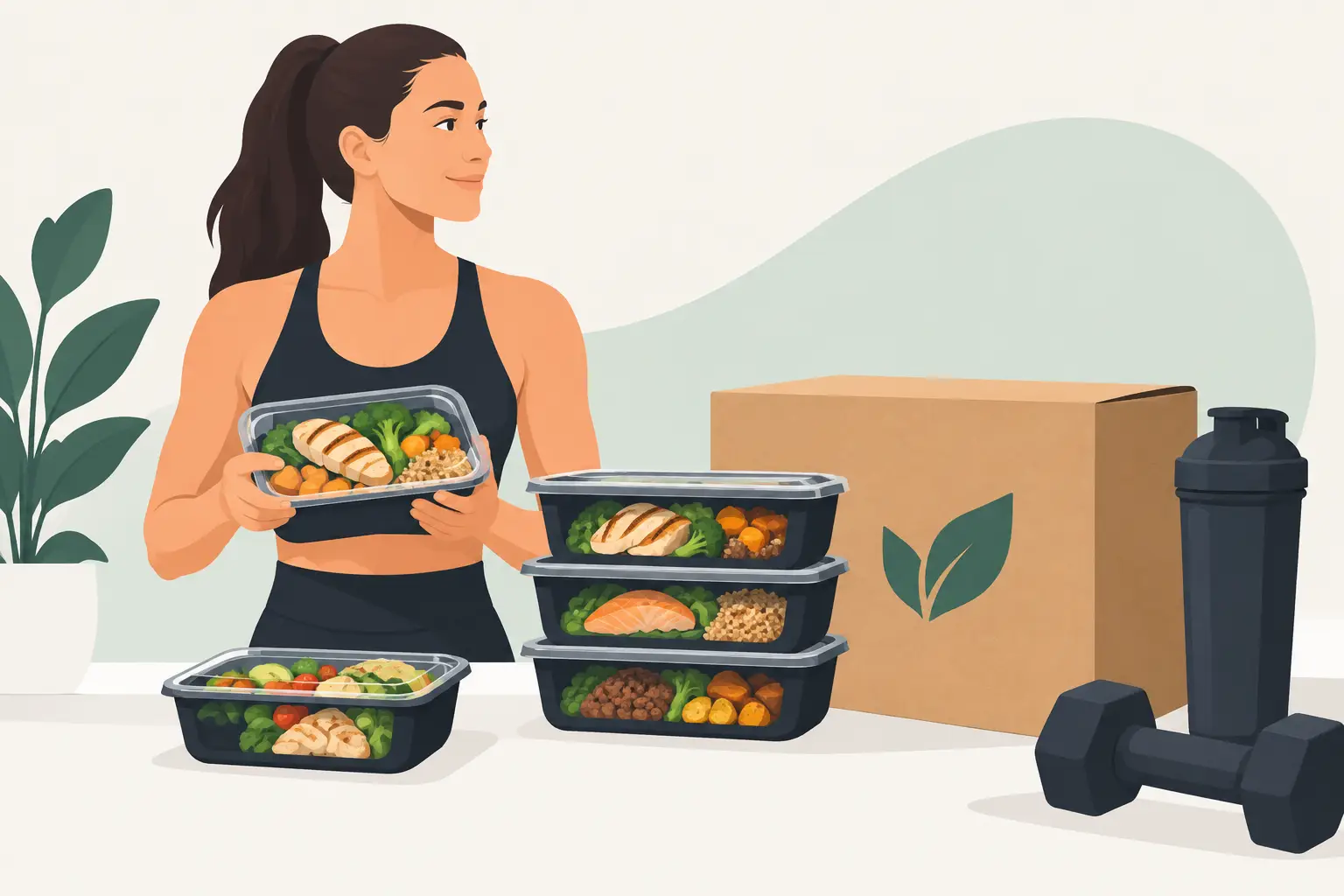
A 3 p.m. energy crash is rarely just a calendar problem. It is often the result of meals chosen between meetings, portions estimated on the fly, and protein pushed aside by convenience. Macro friendly meal delivery replaces that daily negotiation with a clear system: chef-prepared food, defined portions, and nutrition that supports the way you work and train.
For busy professionals, the value is not simply having lunch delivered. It is knowing what that lunch is built to do. Clean ingredients. Structured portions. Consistent energy. When nutrition becomes predictable, your schedule has one less variable working against you.
What macro friendly meal delivery actually means
Macros, short for macronutrients, are the nutrients your body needs in larger amounts: protein, carbohydrates, and fats. Each has a practical role. Protein supports recovery and helps preserve muscle. Carbohydrates provide accessible energy for demanding workdays and training. Dietary fats support satiety, hormones, and the absorption of certain vitamins.
A macro-friendly meal is not defined by one universally perfect ratio. A professional training for strength, a runner increasing weekly mileage, and someone focused on body composition may all need different calorie and macro targets. What matters is that the meal has a deliberate nutritional structure, rather than being labeled “healthy” without useful context.
That distinction matters. A salad can be nutrient-dense yet too low in protein to keep you full. A high-protein meal can still be too calorie-dense for a fat-loss goal if portions are uncontrolled. Macro-friendly eating makes the composition visible and repeatable, so you can make decisions based on your target rather than a guess.
Why structure beats good intentions
Most people do not struggle with nutrition because they lack information. They know protein matters. They know vegetables are a better choice than fried sides. The harder problem is execution during a week full of early starts, late calls, travel time, workouts, and family commitments.
Cooking every meal can work well when you enjoy the process and have protected time for shopping, preparation, and cleanup. It can also become the first routine to disappear when work gets demanding. Ordering restaurant food fills the gap, but nutrition information may be incomplete, serving sizes can shift, and sauces or cooking oils can turn a reasonable meal into an unpredictable one.
A structured delivery plan closes that gap. It removes repeated decisions while maintaining control over the variables that matter: ingredients, portion sizes, meal timing, and nutritional balance. That is the real advantage of a subscription model. You are not relying on motivation at 8 p.m. You are relying on a plan made earlier, when your priorities were clear.
The performance benefits of consistent macros
Consistency does not mean eating identical meals forever. It means your nutrition delivers broadly similar results from day to day, even when your menu changes. That reliability can improve more than physical progress.
Better energy across the workday
Meals that include an appropriate balance of protein, fiber-rich carbohydrates, and fats can help avoid the sharp hunger and energy swings that follow a pastry, oversized takeout meal, or skipped lunch. You still need sleep, hydration, and sensible caffeine habits. Food is not a substitute for recovery. But a steady intake gives your body a stronger baseline for focus and output.
More dependable training support
Training results are shaped by what happens outside the gym as much as what happens inside it. Consuming enough protein across the day supports recovery. Carbohydrates can support training quality, particularly for high-volume lifting, endurance work, or active schedules. Meals delivered in defined portions make it easier to stay aligned with your plan without turning every dinner into a calculation exercise.
Clearer body-composition progress
Whether your goal is to reduce body fat, build muscle, or maintain your current physique, progress depends on trends over time. Random portion sizes make those trends harder to read. If one lunch contains 500 calories and the next contains 1,100 without you realizing it, adjustments become guesswork.
Macro-friendly meal delivery does not make nutrition automatic. You still need to choose a plan suited to your objective and eat consistently. It does make the inputs far more stable, which means you can evaluate results with more confidence.
What to look for in a macro-friendly meal delivery service
Not every prepared meal service is built for performance. Some prioritize novelty, large comfort-food portions, or broad claims about wellness. Those can have a place, but they are not necessarily useful when you want a disciplined eating system.
Start with nutritional transparency. You should be able to see meaningful meal details, including calories and macro information, rather than vague descriptions such as “light” or “high protein.” Precise figures may vary slightly because real food is prepared in a kitchen, but the information should be clear enough to support logging and planning.
Next, look at portion control and ingredient quality. The goal is not tiny meals or restrictive eating. It is a portion designed with purpose. Protein should feel intentional, carbohydrates should match the role the meal plays in your day, and vegetables should add volume, fiber, and micronutrients instead of serving as decoration.
Menu rotation matters as well. Repetition can be useful, especially during a focused phase, but most people sustain a plan more easily when they have variety. A rotating menu helps prevent boredom while keeping the nutritional framework stable.
Finally, examine the operational side. Reliable delivery windows, simple account management, the ability to select meals, and an organized subscription process are not minor details. They determine whether the service actually reduces friction. Prime Fuel Meals is built around this type of managed system, from structured meal selection to scheduled delivery, so nutrition can fit demanding routines without becoming another project to manage.
Match the plan to the goal, not the label
“Macro-friendly” is useful language, but it should not become a substitute for thinking about your individual needs. A meal plan designed for maintenance will not create the same outcome as one designed for a calorie deficit or a higher-volume training block.
If fat loss is the priority, you generally need a sustainable calorie deficit while keeping protein high enough to protect lean mass and manage hunger. Meals with plenty of protein, vegetables, and measured carbohydrate portions often make adherence easier. Aggressive restriction may produce fast early changes, but it can also make training, concentration, and social life harder to maintain.
If muscle gain is the goal, the focus shifts toward adequate total calories, sufficient protein, and carbohydrates that support training performance. More food is not automatically better. A controlled surplus is often more useful than an undisciplined bulk that adds excess body fat and leaves you feeling sluggish.
For maintenance and general performance, the goal is steadiness. You may not need to track every gram forever, but structured meals can keep your intake aligned with your routine. This approach works especially well for professionals who want to train regularly, stay sharp at work, and avoid the cycle of strict weekdays followed by unplanned weekends.
Make delivery work in real life
A prepared meal plan performs best when it is connected to your actual calendar. Decide which meals are most likely to go off track. For many people, that is lunch during packed workdays and dinner after training. Start there instead of trying to outsource every meal immediately.
Keep a simple backup strategy for the gaps. If breakfast is not part of your delivery plan, have a reliable option ready, such as Greek yogurt with fruit, eggs with toast, or a protein smoothie. If you know you have a dinner out, treat it as part of the week rather than a reason to abandon the plan. Choose a protein-centered meal, watch high-calorie extras, and return to your normal structure at the next meal.
You also do not need to log forever to benefit from macro information. Logging can be valuable during a focused goal phase or when learning portions. Once you understand your needs, clear meal details may be enough to keep you consistent without constant tracking. The right level of precision depends on your objective, experience, and relationship with food.
A standard worth protecting
Your meals should support your ambition, not compete with it. The best macro-friendly delivery service is not the one with the loudest health claims. It is the one that gives you reliable nutrition, food you genuinely want to eat, and an operating system you can follow on your busiest weeks.
Set the standard before your schedule gets crowded. When the next meal is already portioned, prepared, and aligned with your goals, discipline becomes less about resisting bad options and more about following through on the decision you already made.