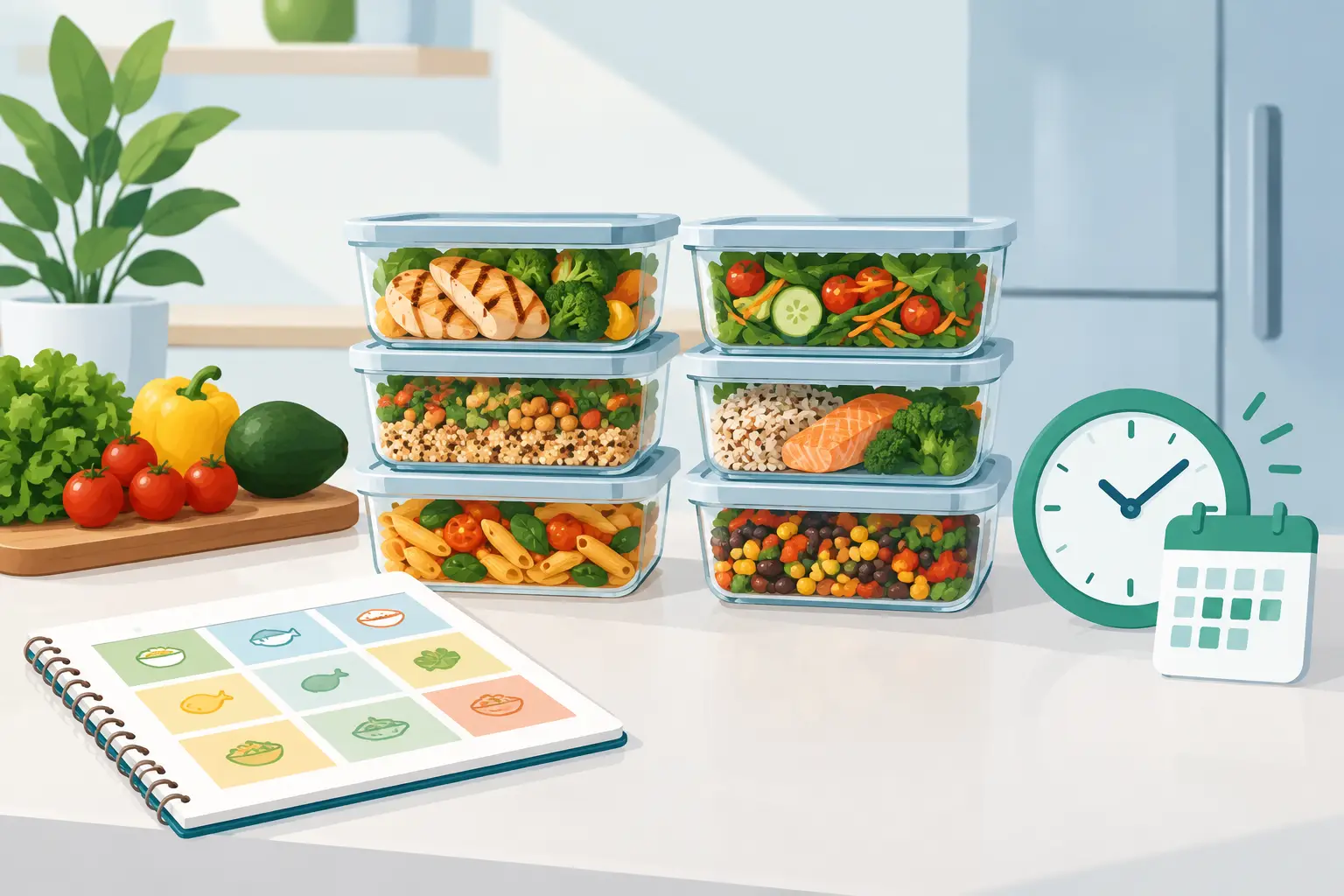
A structured meal plan only performs when the food is ready when you are. Understanding how long meals stay fresh helps you protect the quality of every portion, avoid unnecessary waste, and keep your weekly nutrition system on track. The goal is not to make food last indefinitely. It is to store chef-prepared meals correctly so clean ingredients, texture, and flavor hold up through your schedule.
For most refrigerated, cooked meals, the practical window is three to four days when they are kept consistently cold. That guideline works well for protein-based entrées, grains, roasted vegetables, and prepared sides. Some meals stay at their best for less time, while others can remain enjoyable through day four. The difference comes down to ingredients, packaging, handling, and refrigerator temperature.
How Long Meals Stay Fresh After Delivery
Prepared meals should go into the refrigerator as soon as possible after delivery. A meal can look fine after sitting out too long, but appearance is not a reliable measure of freshness. Temperature control is what protects the meal.
As a dependable rule, plan to enjoy refrigerated, chef-prepared meals within three to four days. If your weekly delivery includes more meals than you will eat in that period, freeze the later portions on the day they arrive. This gives you flexibility without forcing rushed decisions later in the week.
Your refrigerator should stay at or below 40°F. A crowded fridge, a weak door seal, or frequent opening can push food into a less stable temperature range. Store meals on an interior shelf rather than in the refrigerator door, where temperatures change more often.
The clock begins with preparation and cooling, not with the moment you decide to open the container. That is why a disciplined storage routine matters. Put meals away promptly, keep them chilled, and follow the use-by information supplied with your order when it is more specific than a general guideline.
What Changes a Meal's Shelf Life?
Not every meal behaves the same way in the fridge. Lean grilled chicken with rice and roasted vegetables is typically a stable option when properly packed and refrigerated. Delicate seafood, leafy salads, cut fruit, creamy sauces, and meals with high water content may lose their ideal texture sooner.
Ingredient quality matters, but so does the way a meal is built. Sauces can soften crisp vegetables. Acidic dressings can change the texture of greens. Rice and pasta can dry out if a container is not sealed properly. These shifts do not always mean a meal is unsafe, but they can reduce the experience and make it harder to stay consistent with your plan.
Portion-controlled packaging helps because it limits repeated handling. Opening one large container several times introduces more temperature changes and more opportunities for contamination. Individual meals keep your system cleaner: one meal, one container, one clear decision.
Your own routine also affects freshness. If meals travel from fridge to desk, sit in a gym bag, or remain in a warm car before being eaten, their usable window becomes shorter. Busy days reward preparation. Carry the meal in an insulated bag with a cold pack if refrigeration will not be available.
The Refrigerator Routine That Protects Your Week
Treat delivery day as part of your performance plan. A few minutes of organization can protect several days of consistent eating.
First, check that all meals are cold on arrival, then refrigerate the meals you plan to eat soon. Place meals in the order you expect to use them, with the earliest meals at the front. This reduces the chance that a container gets forgotten behind newer food.
Next, separate your week into two windows. Keep the next three to four days in the refrigerator. Freeze meals intended for later in the week, especially if your schedule includes travel, long workdays, or shifting training times. Freezing early is generally better than waiting until a meal is close to its refrigerated limit.
Finally, keep the refrigerator organized. Raw ingredients should be stored separately from cooked meals, and containers should remain closed until you are ready to eat. Clean ingredients deserve clean storage conditions.
This routine is simple, but it removes friction. You do not need to guess what is still fresh, rely on memory after a demanding day, or make a last-minute decision that pulls you off plan.
When Freezing Makes Sense
Freezing is not a compromise. It is a planning tool. If you know Wednesday and Thursday will be unpredictable, freezing those meals on delivery day gives you a dependable option later.
Most cooked meals freeze well, particularly protein, rice, grains, stews, and cooked vegetables. Some ingredients may change texture after thawing. Salads, fresh herbs, creamy sauces, and certain vegetables can become softer or release water. That is a quality trade-off, not necessarily a reason to avoid freezing altogether.
For best results, freeze meals in their sealed containers if the packaging is freezer-safe. Labeling is useful if your plan includes several similar meals, though a structured rotation often makes the order obvious. Thaw a frozen meal in the refrigerator overnight rather than leaving it on the counter. Once thawed, eat it promptly and do not refreeze it.
Reheating Without Compromising Quality
A meal can be safely stored and still lose its appeal through poor reheating. High heat for too long dries out lean protein, turns vegetables dull, and makes grains tough. The better approach is controlled heat.
Follow the preparation instructions provided with the meal. In general, reheat until the center is thoroughly hot, stirring or rotating when appropriate so heat distributes evenly. If your meal includes a sauce, use it to restore moisture. If components are separated, warm proteins and grains first, then add delicate toppings afterward when possible.
Only reheat the portion you intend to eat. Repeated cooling and reheating lowers quality and creates avoidable risk. Precision is the advantage here: one portion, one heating cycle, one complete meal.
If you are taking a meal to work, keep it cold until it is time to heat it. Do not leave it at room temperature through a long meeting block and assume a microwave will reset the clock. Reheating improves temperature, but it does not reverse time spent in unsuitable conditions.
Signs a Meal Should Not Be Eaten
Use the date guidance first, then use your senses as a secondary check. A sour or unusual odor, visible mold, leaking packaging, fizzing, or a distinctly slimy texture are clear reasons to discard a meal. When you are uncertain, do not gamble with the rest of your week.
Do not rely on a taste test to judge questionable food. A disciplined nutrition system is built on consistency, not unnecessary risk. Replacing one meal is easier than recovering from a decision that disrupts your work, training, and routine.
Build Freshness Into Your Meal Plan
Freshness is not only a food-storage concern. It is a scheduling advantage. Choose the meals you will eat earliest based on your calendar, not just your cravings. Keep convenient options available for high-pressure days. Freeze strategically when your schedule is less predictable.
Prime Fuel Meals is designed around this kind of structure: chef-prepared portions, planned delivery, and less daily friction around nutrition. Your role is simple but essential - store each meal correctly, follow its guidance, and make your meals as dependable as the goals they support.
The strongest meal plan is not the one that looks perfect on delivery day. It is the one that stays organized, fresh, and ready when your calendar becomes demanding.