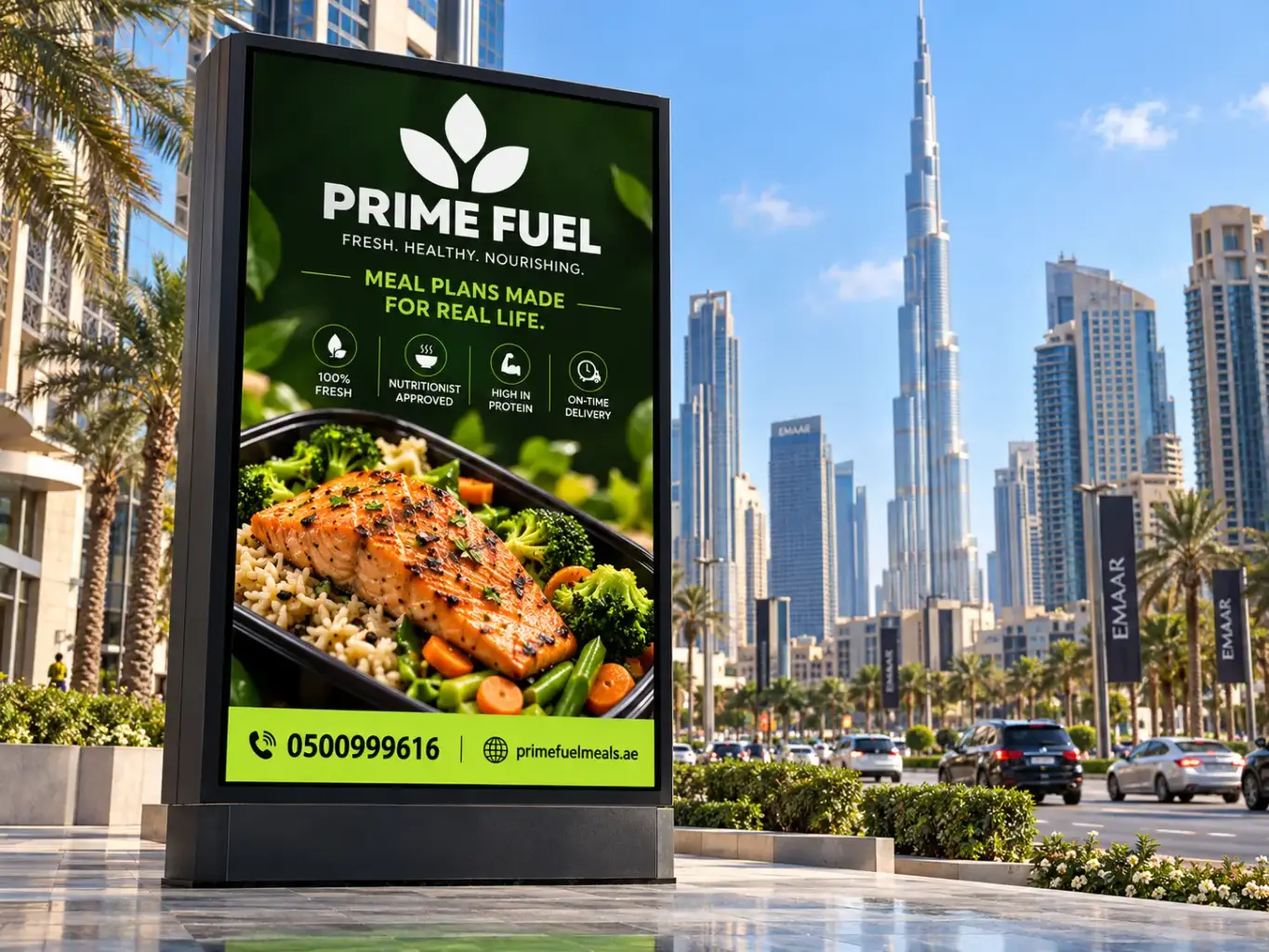
A 2:00 p.m. energy crash rarely starts at 2:00 p.m. It starts with a rushed breakfast, an unplanned lunch, or a week that left no room to shop, cook, and portion meals. Healthy prepared meal delivery changes that pattern by making quality nutrition the default, not another task competing for your attention.
For professionals who train, lead teams, travel between meetings, and expect more from their day, food cannot be an afterthought. It needs to be a system. Clean ingredients. Structured portions. Consistent energy.
Why Healthy Prepared Meal Delivery Works
The value is not simply having food arrive at your door. It is removing the daily chain of decisions that turns good intentions into inconsistent eating. What should I eat? Do I have groceries? Is there enough protein? Can I make something before the next call? By the time those questions show up, convenience usually wins.
A structured meal service moves those decisions upstream. Your meals are selected, prepared, portioned, and scheduled before your busiest hours begin. That creates a more dependable foundation for work performance, training recovery, body-composition goals, and everyday energy.
This matters because consistency is where most nutrition plans break down. A highly disciplined Monday does not offset a week of skipped lunches, late-night takeout, and unpredictable portions. The goal is not perfection. The goal is an eating structure you can maintain when your calendar gets demanding.
Healthy prepared meal delivery is especially useful when meal prep has become a recurring source of friction. You may know how to cook nutritious meals. You may even enjoy it on a quiet Sunday. But knowledge and execution are different problems. When execution needs to happen every week, a reliable system has real value.
What Makes a Prepared Meal Actually Healthy?
“Healthy” is not a universal label. The right meal plan depends on your training volume, calorie needs, preferences, and goals. A person focused on fat loss needs a different level of structure than someone building muscle or maintaining energy through long workdays.
Still, strong prepared meals tend to share a few traits: recognizable ingredients, a meaningful protein source, balanced carbohydrates, quality fats, and portions that align with a clear purpose. They should support your schedule without leaving you underfed, overly restricted, or dependent on guesswork.
Protein should be practical, not decorative
Protein supports recovery, satiety, and the ability to hold a steady eating routine. But a meal with a small amount of protein added for marketing is not built for performance. Look for meals centered on substantial, clearly identified protein sources and nutrition details that make daily tracking easier.
Carbohydrates should match output
Carbs are not a problem to eliminate. They are a tool to use intentionally. A demanding training block, a physically active job, or a long day of focused work may call for more carbohydrate support than a lower-activity period.
The better question is whether the meal plan gives you enough flexibility to match your output. Structured nutrition is not about eating the same way in every season. It is about having an organized baseline and adjusting it with purpose.
Portions should reduce guesswork
Restaurant meals can vary dramatically from one order to the next. Home cooking can be equally inconsistent when meals are assembled quickly. Portion-controlled prepared meals provide a dependable reference point, which matters whether you are monitoring calories, protein, or simply trying to stop the cycle of undereating all day and overeating at night.
That does not mean every meal needs to be weighed forever. It means your weekday nutrition has a consistent structure while you focus on the work that matters.
How to Choose a Healthy Prepared Meal Delivery Service
Not every service is designed for the same customer. Some prioritize novelty. Others focus on broad convenience. If your goal is dependable performance, evaluate the operational details behind the menu.
Start with ingredient quality and menu transparency. You should be able to understand what is in each meal and see nutrition information without chasing vague promises. Clear details make it easier to build meals around a protein target, training plan, or calorie range.
Next, consider portion structure. Generous portions are not automatically better, and smaller portions are not automatically more disciplined. The right service provides meals that fit your needs while allowing you to add snacks, produce, or extra carbohydrates when your schedule and training demand it.
Then look at menu rotation and account control. Repeating the exact same meals can create menu fatigue, while too much choice creates another decision-heavy task. A rotating menu with straightforward selection and subscription management gives you variety without losing structure.
Delivery reliability matters just as much as the food itself. Healthy eating loses momentum when meals arrive late, packaging is inconsistent, or delivery timing is unclear. A premium service needs a coordinated system from kitchen production through packing, dispatch, and scheduled delivery.
Before committing, assess these four areas:
- Ingredient and nutrition transparency
- Portions that support your specific goals
- Weekly menu variety without unnecessary complexity
- Delivery timing that fits your actual routine
A service can have attractive meals and still be a poor fit if it does not support your logistics. The best plan is the one you can use consistently on your most demanding weeks.
Make the Meals Work With Your Routine
Prepared meals are most effective when they become part of a broader operating rhythm. Decide where they fit before they arrive. For many professionals, that means placing lunch and dinner on autopilot, then handling breakfast and snacks with a short, repeatable grocery list.
Use your meals strategically. Keep a lunch ready for the gap between meetings. Plan a balanced dinner for after training, when the temptation to order whatever is fastest is highest. If you work from home, treat your meal break as a real reset rather than eating randomly at your desk.
Nutrition logging can add another layer of precision. You do not need to track every detail indefinitely, but logging meals for a few weeks can reveal patterns in energy, hunger, recovery, and total intake. If your afternoon focus drops or your workouts feel flat, the answer may be timing, meal size, or overall calories rather than willpower.
Also leave room for real life. A prepared meal plan should create freedom, not make you anxious about a dinner out or a family event. Use your scheduled meals as the dependable majority of your week. Then make informed choices when plans change.
The Trade-Off Is Cost Versus Friction
Healthy prepared meal delivery costs more than cooking every meal from basic grocery ingredients. That is the obvious trade-off. But the more useful comparison is not only against the cost of raw food. It is against the combined cost of shopping time, prep time, wasted ingredients, convenience purchases, missed nutrition targets, and daily decision fatigue.
For someone with flexible hours who enjoys cooking and reliably meal preps, a delivery service may not be necessary. For someone whose work and training schedule repeatedly disrupts meal planning, it can be a high-leverage investment.
Prime Fuel Meals is built around that distinction. The objective is not food delivery for its own sake. It is a structured nutrition system that helps ambitious people stay fueled when the week gets full.
Your nutrition should not depend on whether you have time, motivation, or a fully stocked refrigerator at the end of a long day. Build a system that holds its standard when your schedule does not. Eat with structure, protect your energy, and give your best hours a better foundation.